Read The Battle of Kursk 1943: The View Through the Camera Lens - Valeriy Zamulin | PDF
Related searches:
The Battle of Kursk 1943: The View Through the - Amazon.com
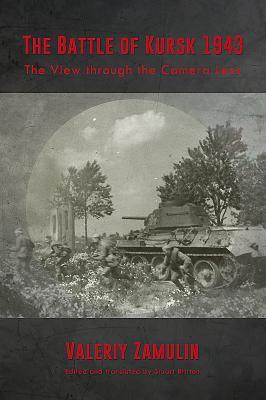
The Battle of Kursk 1943: The View Through the Camera Lens
Download [ebook] The Battle of Kursk 1943: The View Through the
The Battle of Kursk 1943: The View through the Camera Lens
The Battle of Kursk 1943: The View Through the Camera Lens by
The Battle for Kursk, 1943: The Soviet General Staff Study - 1st Editi
Kursk 1943: The Greatest Battle of the Second World War by
The Battle of Kursk 1943 Military History Book Helion & Company
World War II: The Battle of Kursk - Full Documentary - YouTube
Battlefield S4/E1 - The Battle of Kursk - YouTube
Kursk: The German View - Google Books
The Battle of Kursk: Myth and Reality - different view of the
THE BATTLE OF KURSK 1943 - Review by Mark Barnes
The Battle Of Kursk: Operation Citadel
The Battle Of Kursk On eBay - Free Shipping On Many Items
Map of the Kursk battlefields, 1943 Kaarten - Pinterest
The Battle of Kursk: the largest tank battle in history Sky HISTORY
The stuff of legends in historiography - The Battle of Kursk (Russia)
Kursk 1943: A Statistical Analysis - 1st Edition - Anders Frankson
Kursk 1943: A Statistical Analysis - Niklas Zetterling, Anders
Battle Of Kursk: The Brutal Nazi-Soviet Face-Off In 28
The Battle of the Tanks: Kursk, 1943 by Lloyd Clark
The Battle of Kursk: Clash of the Tanks - HistoryNet
10 Facts About the Battle of Kursk History Hit
Battle Of Kursk: The Brutal Nazi-Soviet Face-Off In 28 Harrowing
Clash Along the Psel: The Battle of Kursk 1943 Board Game
Battle of Kursk – The Red Army's Defensive Operations and Counter
The Battle of Kursk 1943 - Zamulin, Valeriy/ Britton, Stuart
Kursk: The German View - Steven H. Newton - Google Books
The Battle of Kursk 1943 : Stuart Britton : 9781909982857
The Battle of Kursk: Operation Citadel 1943 by Robin Cross
All About The Battle of Kursk Flashcards Quizlet
Battlefield The Battle of Kursk (TV Episode) - IMDb
Nonfiction Book Review: Kursk: The German View by Steven H
World War II: The Eastern Front - The Atlantic
THE LONG ROAD TO KURSK: THE DEVELOPMENT
Analysis and Significance of the Battle of Kursk in July 1943.
The Battle of Kursk by David M. Glantz - Goodreads
Why did the Germans suffer a defeat at Kursk in 1943
The Super Tank Battle of Kursk: Was It Really the Stuff of
The Battle of Kursk - History Learning Site
Battle Of Kursk – The Kursk Salient, Soviet Union – 5-13 July
Battle of Kursk - The Reader Wiki, Reader View of Wikipedia
Battle of the tanks is a highly accessible narrative account of the kursk campaign in the summer of 1943 on the russian front. It is aimed at a general reader (unlike, say, david glantz’s densely detailed operational histories).
The battle of kursk – “the gully of death” an attempt to separate myth from reality. Following their defeat at stalingrad during the winter of 1942-43, the german armed forces launched a climactic offensive in the east known as operation citadel on 4 july 1943.
7 sep 2018 the battle of kursk occurred in july 1943 around the soviet city of kursk in western russia, as germany launched operation citadel, hitler's.
The battle took place in 1943 between the germans and soviets from 5 july to 23 the germans at the battle of stalingrad in the winter of 1942-1943.
The battle of kursk, despite the seven decades that have passed since the event, continues to attract great attention even today. The combat operations, which unfolded in the summer of 1943 in the center of the eastern front, by their scale, the forces drawn into them, and their military-political results, were a pivotal stage not only in the struggle of the soviet people.
In july 1943 forces of the voronezh and the central front, led by the red army's supreme high command, won a brilliant victory at the battle for kursk, and the nazi high command's final attempt to achieve a large-scale strategic success on the eastern front failed.
The battle of kursk 1943: the view through the camera lens [zamulin, valeriy, britton, stuart] on amazon.
In april 1943, the german leadership began preparing for operation citadel, with the objective of enveloping and destroying the soviet forces in the kursk salient, by attacking and breaking through the base of the salient from north and south simultaneously.
This one battle destroyed forever the hopes of the germans, with respect to winning the war in the east.
The battle of kursk was a world war ii engagement between german and soviet forces on the eastern front near kursk (450 kilometres or 280 miles southwest of moscow) in the soviet union during july and august 1943.
Since the details of the 1943 germanisoviet engagement at kursk became known to the american military studies community, kursk the massive battle between two military giants, has held a tremendous fascination for the american, and for that matter, the british army.
The battle of kursk, a world war ii battle between german and soviet forces on the eastern front fought from july 5 till august 23, 1943 in russia. Soviet marshal georgy zhukov during the battle of kursk in 1943 in russia.
1 mar 2003 this compilation of german material on the battle of kursk (1943) is about as user-friendly as a tiger tank, but just as indispensable in the right.
The battle of kursk was commanded by a variety of generals from russia and germany. Germany the battle of kursk happened july 5 to august 23, 1943.
The battle at kursk in 1943 is often referred to as the greatest tank battle in the history of warfare.
De slag vond plaats in juli en augustus 1943 tussen nazi-duitsland en de is een (gedeeltelijke) vertaling van het artikel battle of kursk op de engelstalige.
23 jan 2018 world war ii: the battle of kursk - full documentary.
Amongst the students on in view of the above, theatre strategy as it manifests in strategic vision has a mission one level.
Its combat debut during operation zitadelle (aka the battle of kursk) in 1943 became an ignominious disaster. During operation barbarossa in 1941, the germans invaded the soviet union and encountered the soviets new t-34 tank. With its sloped armor it proved to be superior to the german panzers armor at the time.
The battle of kursk – “the gully of death” an attempt to separate myth from reality following their defeat at stalingrad during the winter of 1942-43, the german armed forces launched a climactic offensive in the east known as operation citadel on 4 july 1943.
2 may 2020 however, the mechanised battle of kursk witnessed the world's largest armoured in early 1943, the soviets looked to capitalise on their morale-boosting win at stalingrad and began an watch race to victory: frida.
The battle of kursk: the red army's defensive operations and counter- offensive, july – august 1943, offers a peculiarly soviet view of one of the second.
The fighting here began in july, 1943, and was all over less than two weeks later. By then the german forces were in tatters, retreating after sustaining heavy losses, and hitler’s dream of seizing russia had gone up in smoke. Hitler put everything his armed forces had into this operation.
The battle of kursk was the largest tank battle in history, involving some 6,000 tanks, 2,000,000 troops, and 4,000 aircraft. It marked the decisive end of the german offensive capability on the eastern front and cleared the way for the great soviet offensives of 1944–45.
In the small russian town of prokhorovka about 100 km south of kursk a the largest tank battles in history, fought between wehrmacht and red army in 1943.
As russian kursk expert valeriy zamulin demonstrates in demolishing the myth: the tank battle at prokhorovka, kursk, july 1943, soviet tactical performance was clumsy and troop morale was brittle.
Operation kutuzov was the first of the two counteroffensives launched by the red army as part of the kursk strategic offensive operation. It commenced on 12 july 1943, in the central russian upland, against army group center of the german wehrmacht.
Yet the battle of kursk remains controversial, with aspects of its conception, only recently has a clearer and more balanced perspective come into view. 1943 and capture the city of kharkov to the south of kursk, the germans faile.
Kursk: the german view: eyewitness reports of operation citadel by the german commanders user review - not available - book verdict. This compilation of german material on the battle of kursk (1943) is about as user-friendly as a tiger tank, but just as indispensable in the right place.
The battle of kursk was a second world war engagement between german and soviet forces on the eastern front near kursk (450 kilometres or 280 miles south-west of moscow) in the soviet union, during july and august 1943.
The battle of kursk was a war between nazi germany and the soviet union. Where hitler's sixth army tried to take over and tried to occupy to control the rest of the soviet union, but hitler failed.
25 sep 2019 the battle of kursk 1943: the view through the camera lens ebook read online get ebook epub mobi.
Between july 5 and 13, 1943, the red army and the wehrmacht fought the largest land battle in history for possession of kursk, a rail junction some five hundred.
The battle of kursk was massive but it was but one step on the road to the brandenburg gate. The man who photographed that classic image of the frontovicki unfurling the soviet flag in berlin was at kursk, too, and his pictures are on some of the four hundred odd pages of images we have here.
The battle of kursk, despite the seven decades that have passed since the event, continues to attract great attention even today. The combat operations, which unfolded in the summer of 1943 in the centre of the eastern front, by their scale, the forces drawn into them, and their military-political results, were a pivotal stage not only in the struggle of the soviet people with the nazi.
The battle of kursk (russian: курская битва) refers to german and soviet operations on the eastern front in the winter of 1942–1943 the red army conclusively won the battle of stalingrad.
Citadel was the decisive battle on the eastern front in world war ii because after this battle the initiative passed to the soviets, who would never lose it again. However, it would be more appropriate to say that germany was defeated by the combined effects of the battles of moscow in 1941, stalingrad in 1942, and kursk in 1943.
The battle of kursk took place when german and soviet/russian forces confronted each other on the eastern front during world war ii in the vicinity of the city of kursk, (450 kilometers / 280 miles south of moscow) in the soviet union in july and august 1943. It remains both the largest series of armored clashes, including the battle of prokhorovka, and the costliest single day of aerial.
The battle began on july 4, 1943 and it ended on august 23, 1943.
So stupendous was the clash of armies around the soviet city of kursk in july 1943 that until recently historians focused almost exclusively on the actions of the famous panzer groups and red guard units—german and soviet tanks, artillery, and infantry—that fought the exhausting, weeks-long battle.
Map of the kursk battlefields, 1943 military insignia, historical maps, world war ii incredible view of new york city's manhattan island from 7500 feet.
The battle at kursk in 1943 is often referred to as the greatest tank battle in the history of warfare. As well as an account of the battle, it addresses methodological issues.
29 may 2019 the battle of kursk was a wwii nazi german offensive against the haunting photographs that reveal how 1943's battle of kursk, the a look at how the red army's massive force and industrial strength defeated.
The battle of kursk, despite the seven decades that have passed since the event, continues to attract great attention even today. The combat operations, which unfolded in the summer of 1943 in the center of the eastern front, by their scale, the forces drawn into them, and their military-political results, were a pivotal stage not only in the struggle of the soviet people with the nazi.
The battle of kursk in the summer of 1943 was one of the greatest battles in military history involving more than 3 million soldiers, 10,000 tanks and 8,000 aircraft.
Even in the latest literature about the battle at kursk 1943 one can still find view spies, ciphers and 'zitadelle': intelligence and the battle of kursk, 1943.
Post Your Comments: