Read Wombat Evolution: Wombats Notebook, Dotted Bullet (6 x 9 - 120 pages) Animal Themed Notebook for Daily Journal, Diary, and Gift - Wombat Publishing file in PDF
Related searches:
Watches and Wombats The Institute for Creation Research
Wombat Evolution: Wombats Notebook, Dotted Bullet (6 x 9 - 120 pages) Animal Themed Notebook for Daily Journal, Diary, and Gift
Signatures of landscape and captivity in the gut microbiota of
CLIMATE CHANGE INFLUENCES ON THE DISTRIBUTION AND
Common wombat, facts and photos - National Geographic
Wombat - info and games - Sheppard Software
Wombat Facts, Worksheets, Etymology & Taxonomy For Kids
The Wombat’s Cubical Poo — How and Why? The Sensuous Curmudgeon
Wombats Poop Cubes, and Scientists Finally Got to the Bottom
Why wombats poop cubes: an engineer explains the science and
Wombat Facts, Pictures & Information For Kids & Adults.
50 Interesting Facts About Wombats and Their Cube-Shaped Poop
Marsupial tapirs, diprotodontids, wombats and others: the
Wombat reproduction (Marsupialia; Vombatidae): an update and
Wombats and domestic livestock as potential vectors of
He offers custom cover colors, decorations, embellishments, and styles of paper, and he's happy to work on turning your notebook vision into hold-in-your-hand reality.
Wombats are weaned after 15 months, and reach sexual maturity at 18 months. These marsupials are known to exist 15 years in the wild, but some can live past 20 and even reach 30 years in captivity.
Wombat droppings are square and also among the driest reported for any mammal. Wombats mate with the female lying on her side while the male crouches over her in normal quadrupedal pose (taylor 1993).
It was a cousin of wombats and boasts skeletal traits showing the beginnings of certain wombat features such as adaptations for digging, though probably was unable to burrow like a wombat.
High quality the wombats inspired spiral notebooks by independent artists and designers from around.
Evolution and systematics there are only three living species of wombats, but the family was more diverse in the pleistocene (between about two million years ago [mya] and 10,000 years ago), when it was represented by a total of six genera and nine species. Some of the extinct species were much larger than the living species.
Wombats teeth never stop growing; they have a very thick behind so when a predator attacks them it is hard to bite the skin and may actually hurt the attacker. The earliest known of the wombat line was rhizophascolonus, from the late oligocene.
Wombat behaviour – including food preferences, mating habits and tolerance of other wombats – also varies according to the season and on whether the wombat grew up during a lush or a drought time;� much wombat behaviour is learnt, some as an adult from other wombats, including but not limited to their mothers.
A new family of diprotodontian marsupials from the latest oligocene of australia and the evolution of wombats, koalas, and their relatives (vombatiformes), scientific reports (2020). Note: the above post is reprinted from materials provided by nature publishing group.
It soon became quite obvious why the wombat needed a backward-facing pouch. The wombat tunnels under the ground with burrows sometimes 100 feet long. It doesn't take much thinking to realize that if the wombat had a forward facing pouch, the young would not survive. The pouch would fill up with dirt, and wombats would become extinct.
“wombats have very poor eyesight so they pretty much communicate by the scent of poop,” yang explains. It’s a beautiful quirk of evolution that, if we needed to build poop walls to survive.
By about seven months of age, a young wombat can care for itself. It is also called the bare-nosed wombat, to distinguish it from its cousins, the southern and northern hairy-nosed wombats.
Find great designs on our professionally printed spiral notebooks.
New species is a member of the vombatiformes, which is the group that includes wombats and koalas. Was four to five times bigger than a modern wombat and scratched.
During the pleistocene epoch, marsupials (like virtually every other kind of animal on earth) grew to enormous sizes. Measuring 10 feet long from snout to tail and weighing up to three tons, diprotodon was the largest pouched mammal that ever lived, outclassing even the giant short-faced kangaroo and the marsupial lion.
Wombat, (family vombatidae), any of three large terrestrial species of australian marsupials. Like woodchucks, wombats are heavily built and virtually tailless.
Wombat, (family vombatidae), any of three large terrestrial species of australian marsupials. Like woodchucks, wombats are heavily built and virtually tailless burrowers with small eyes and short ears. Wombats, however, are larger, measuring 80 to 120 cm (31 to 47 inches) long.
Wombat digestive processes include fermentation, a process which lasts weeks. Some early european arrivals mistook the wombat for a badger. In 1960, a 15 year old australian schoolboy began exploring wombat burrows by crawling through.
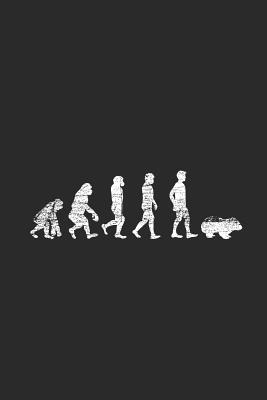
Wombat evolution: wombats, like all the larger living marsupials, are part of the diprotodontia. The ancestors of modern wombats evolved sometime between 55 and 26 million years ago (no useful fossil record has yet been found for this period) and about 12 species flourished until well into the ice ages.
A mega-wombat the size of a bear that lived around 25million years ago has been unearthed. Scientists discovered the massive beast after digging up part of its skull and bones in lake pinpa, austra.
Scientists suspect that the wombat evolved this unique trait to mark its territory on rocks and logs with poop that won’t easily roll away, reports jeremy blum for huffpost.
Naked-nosed wombat, island wombat, tasmanian wombat, forest wombat, coarse-haired wombat similar species common wombat is the only living member of its genus vombatus� and is similar in appearance to two remaining wombat species (southern and northern hairy-nosed wombats) belonging to the genus lasiorhinus�.
A wombat’s pouch is unique in that it faces backwards so dirt doesn’t get in it when its digging. There is some debate over the evolution of wombats; one theory that could date as far back as 40 million years ago with the rhinoceros-sized diprotodon!.
The vombatidae have been undertaken, evolution of the family is not well understood.
Wombats are pudgy burrowing herbivorous marsupial mammals found only in australia. It has the curious distinction of being the only animal that produces cubed poop (faeces). It is the largest burrowing mammal in the world and the second-largest marsupial after the kangaroo.
Like their tree-climbing cousin, the koala, wombats are marsupials. This means that they are part of a particular group of mammals, who have pouches where their newborn young develop. Wombat babies are born super small and helpless, so the pouch is a safe place for them to grow up and get ready for the world!.
Aug 22, 2018 molecular evidence suggests that wombats have an evolutionary history that stretches back some 40 million years.
High quality the wombats stationery featuring original designs created by artists.
The sturdy wombat is most active in the early evening and at night. There are three species of wombat: common, or bare-nosed wombats, which have a bare nose; and two species of hairy-nosed wombats that have, well, hairy noses! the common wombat has coarse fur and short, round ears while the hairy-nosed wombats have soft fur and much larger ears.
Jun 25, 2020 mukupirna, discovered in the lake eyre basin in 1973, was probably five times the size of living wombats.
In 2020, biologists discovered that wombats, like many other australian marsupials, display bio-fluorescence under ultraviolet light. Your curmudgeon is always on the lookout for wombat news, and we just found some.
Understanding of the relationships and evolutionary history of one of the strangest groups.
Read the book daily for a week and complete an activity a day - oh so simple!activities include;1.
They thrive in a variety of habitats such as the forests, mountains, and heathland areas throughout south-eastern australia. Wombats are herbivores eating mainly grasses, roots, bark, and more.
A wombat can move up to 3 feet (1 metre) of dirt in a single day when building a burrow. There are reports of human injuries from wombat attacks, including injuries from being bowled over by charging wombats.
A group of wombats is called a ‘wisdom of wombats’ a ‘mob of wombats’ or a ‘colony of wombats’. The name wombat comes from the darug language, spoken by the traditional owners of sydney. Wombats closest relatives are koalas – if you check out their noses you’ll see they are pretty similar.
David hu and scott carver the wombat lives in lush australian forests, grazes on grass, and poops cubes. A study published thursday in the journal soft matter explores the intimate mechanics behind.
Wombats in the wardrobe appendix: hand-rearing orphan wombats.
The bare-nosed wombat (vombatus ursinus), which weighs up to 35 kilograms, lives in the grassy plains and eucalyptus forests of australia, where it spends its nights grazing on plants and its days.
This is an image of an wombats bi-fold penis it might be hard to believe but a female wombat has three vagina's. The side ones carry sperm to the two uterus's, while the middle vagina sends the joey down to the outside world.
Wombats are herbivorous and feed mainly on grasses, sedges, and rushes. A wombat has one incisor, no canines, one premolar, and four molars in each corner of its mouth.
Commensalism: wombats dig holes as burrows, and once the wombat decides the leave the burrow to move locations, rabbits eventually find the abandoned hole and use it as their own home/shelter. Parasitism: mites use wombats skin and fur as shelter from the environment, but it injures the wombat.
Jun 26, 2020 prehistoric fossils tell more about marsupial evolution. During the late oligocene, 25 million years ago, reveal a new relative of the wombat.
Post Your Comments: